
Wissenschaft
Wissenschaftspolitik
Die UNESCO unterstützt Staaten bei der Schaffung grundlegender Strukturen für erfolgreiche Forschung, Wissenschaft, Technologie und Innovation. Wissenschaft ist für alle Länder eine wichtige Voraussetzung, um Armut zu mindern, Arbeitsplätze zu schaffen und die nachhaltige Entwicklung zu fördern.
Die UNESCO berät Staaten bei der Formulierung einer bedarfsgerechten Wissenschaftspolitik und hilft bei der Einrichtung von zentraler Forschungsinfrastruktur. Sie überwacht regelmäßig im UNESCO Science Report die Fortschritte der Staaten in der Wissenschaftspolitik. Die UNESCO arbeitet dabei zusammen mit Akteuren wie den regionalen UN-Wirtschaftskommissionen, der United Nations University, der OECD und der Weltbank. Von 2013 bis 2016 unterstützte sie die Arbeit des Wissenschaftlichen Beirats des UN-Generalsekretärs.
Beratung zur Wissenschaftspolitik
Wissenschaftspolitik (Science, Technology and Innovation Policy - STI Policy) braucht die Identifikation von nationalen Stärken und Schwächen, Reform von Gesetzen und Finanzierungsinstrumenten, Gründung von Forschungseinrichtungen und Universitäten und internationale Vernetzung. Die internationale Gemeinschaft muss Länder unterstützen, denen Erfahrungen bei der Organisation solcher Politikprozesse fehlen.
Die UNESCO schlägt ihren Mitgliedstaaten neue Wege der Wissenschaftspolitik vor und begleitet sie (üblicherweise gleichzeitig mehr als 20 Staaten) bei deren Umsetzung. Sie stößt Reformen an und fördert die internationale Kooperation. Auf regionaler und internationaler Ebene schafft die UNESCO innovative Formen der Kooperation von Staaten, um den internationalen Erfahrungsaustausch zu unterstützen. Sie stärkt wichtige Akteure, wie parlamentarische Wissenschaftsausschüsse, nationale Wissenschaftsakademien oder Dachverbände.
Das Global Observatory of Science, Technology and Innovation Policy Instruments oder GO-SPIN ist ein strukturierter Ansatz der UNESCO, um Staaten bei solchen Reformen gezielt zu unterstützen. Die UNESCO unterstützt zudem Staaten, indem sie Ministerialbeamtinnen und -beamte gezielt weiterbildet. Außerdem stärkt die UNESCO die wissenschaftspolitische Vernetzung zwischen Nachbarstaaten.
Gerade in Afrika hat die UNESCO in den letzten Jahren große Anstrengungen zur Stärkung der Wissenschaftspolitik unternommen. Sie hat die Afrikanische Union intensiv bei der Formulierung von afrikaweiten Wissenschaftsstrategien beraten.
Weltwissenschaftsforum
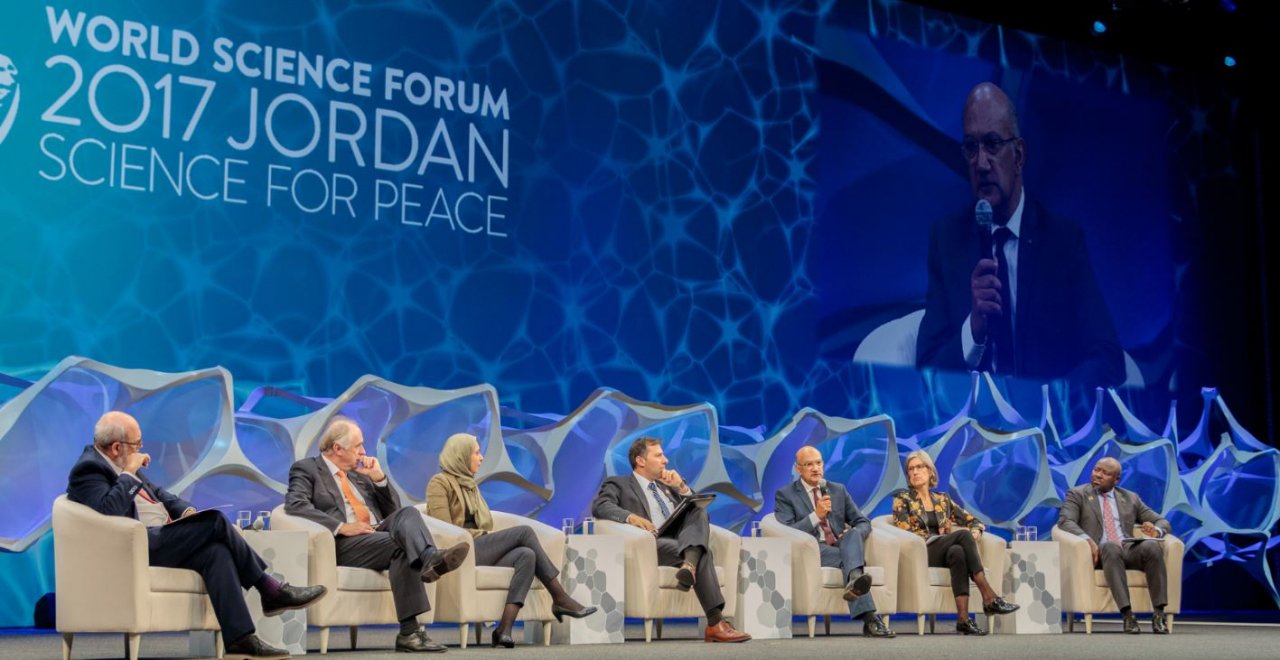
Seit 2003 organisiert die UNESCO alle zwei Jahre das Weltwissenschaftsforum. Die meisten Veranstaltungen fanden in Budapest statt und wurden gemeinsam mit der Ungarischen Akademie der Wissenschaften, der Europäischen Kommission und dem Weltwissenschaftsrat (ICSU) durchgeführt. 2013 fand das Weltwissenschaftsforum in Brasilien statt, 2017 in Jordanien. An dieser Veranstaltung rund um den Weltwissenschaftstag am 10. November nehmen hochrangige Politikerinnen und Politiker, Nobelpreistragende und Vertretende von Wissenschaftsorganisationen teil. Webseite: www.sciforum.hu
UNESCO Wissenschaftsbericht
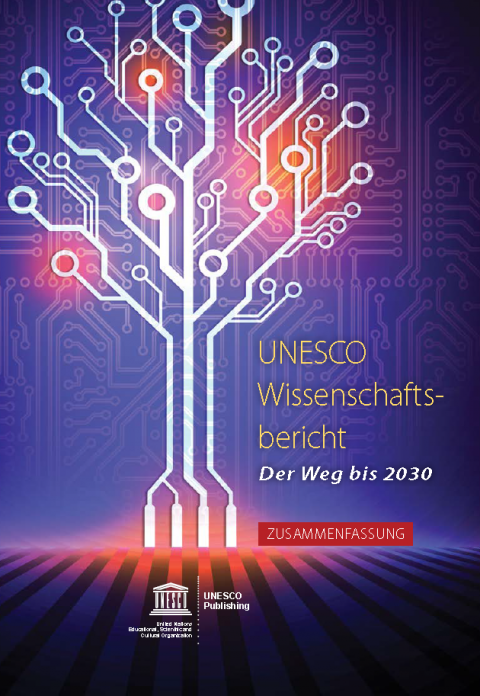
Alle fünf Jahre untersucht der umfangreiche UNESCO Wissenschaftsbericht aktuelle globale und länderspezifische Trends und Entwicklungen in den Bereichen Hochschulbildung sowie Forschung und Innovation (STI). Die jüngste Ausgabe erschien 2015, die Deutsche UNESCO-Kommission hat eine deutschsprachige Zusammenfassung publiziert.
Die UNESCO arbeitet auch eng zusammen mit den nationalen Statistikämtern, um relevante Daten über ihre jeweilige Wissenschaftslandschaft besser zu erfassen und zu verarbeiten und international übliche Methoden der Wissenschaftsstatistik einzuführen und anzuwenden. Ein Schwerpunkt in der Arbeit mit Statistikämtern ist auch, für den Wissenschaftsbereich geschlechtsspezifische Daten weltweit zu erheben.
Zusammen mit dem Weltrat für die Sozialwissenschaften gibt die UNESCO zudem alle drei Jahre den Weltbericht Sozialwissenschaften heraus, zuletzt 2016. 2017 erschien erstmals der Weltbericht Ozeanforschung.
Weltwissenschaftsjahre
Die UNESCO hat in den letzten Jahren regelmäßig durch die Organisation von Weltwissenschaftsjahren die Bedeutung von Forschung für den Menschen betont. Beispiele sind das Jahr der Physik 2005, das Jahr der Astronomie 2009, das Jahr der Chemie 2011, das Jahr des Lichts 2015 und das Jubiläumsjahr des Periodensystems der Elemente 2019.
Wissenschaftlicher Beirat des UN-Generalsekretärs (2013-2016)
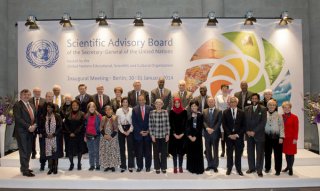
Das Scientific Advisory Board (SAB) war ein Beratungsgremium des UN-Generalsekretärs Ban Ki-moon. Es setzte sich aus 26 führenden Forschenden aus aller Welt zusammen. Das SAB beriet die Vereinten Nationen zu Fragen der Wissenschaft, Forschung und Technologie für eine nachhaltige Entwicklung. Die UNESCO führte die Geschäfte des SAB. Die 26 Wissenschaftlerinnen und Wissenschaftler bildeten das kollektive Wissen verschiedener Wissenschaftsdisziplinen ab.
Die konstituierende Sitzung des SAB fand auf Einladung der Bundesregierung am 30./31. Januar 2014 in Berlin statt. Die Sitzung wurde organisiert von der UNESCO, in Zusammenarbeit mit dem Auswärtigen Amt und der Deutschen UNESCO-Kommission. Unter anderem stärkte das SAB die Verbindung zwischen Wissenschaft und Politik und entwickelte Ratschläge zu Technik, Natur-, Ingenieur- und Geisteswissenschaften. Dies geschah in Kooperation mit einschlägigen UN-Organisationen und behandelte auch, wie diese Organisationen in der Agenda 2030 effektiver kooperieren können. Der neue UN-Generalsekretär António Guterres entschied sich 2017 gegen eine Wiederberufung des SAB.